

Medically reviewed by Dr. Michael Beke, DMD, FAGD on September 30, 2026
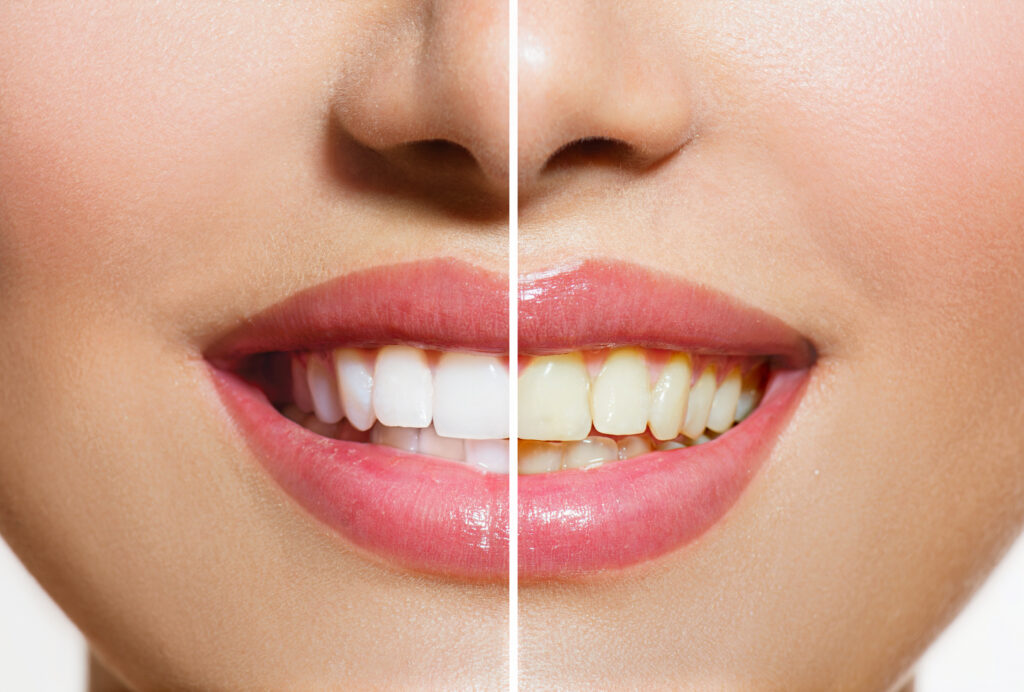
Most people see a visible difference after one professional in-office whitening session, which usually takes about an hour. With custom take-home trays, most people notice a change within the first week and reach their target shade in about one to two weeks of daily wear. Deeper or older stains can take a second in-office session or a longer course of tray wear, and some discoloration will not respond fully no matter how many sessions you do. If you have an important event coming up and you are wondering whether your smile will be ready in time, the answer depends mainly on your starting shade, the type of staining, and which method you choose.
At Lifetime Smiles Bellevue, we help patients in the Bellevue, WA area achieve brighter smiles through professional teeth whitening that’s tailored to each individual’s starting shade and goals. As part of our broader cosmetic dentistry approach, we take time to evaluate your unique situation before recommending a treatment path, because what works quickly for one patient may require a different strategy for another. If you are still deciding whether whitening can address your concern at all, start with our guide to what teeth whitening can and can’t fix.
How Many Sessions Most People Need
There is no universal number, but most patients fall into a predictable range once we know what is causing their discoloration. The table below summarizes typical expectations. Your exam and shade check at the consultation give you a more specific estimate.
| Starting Point | In-Office | Take-Home Trays |
|---|---|---|
| Mild yellowing or light surface stains | Often one session | About one to two weeks of daily wear |
| Moderate coffee, tea, wine, or tobacco stains | One to two sessions | Two weeks, sometimes longer |
| Deep, long-standing, or brown-toned stains | Two or more, often paired with trays | An extended course with check-ins |
| Gray, medication-related, or restored teeth | Results are limited or unpredictable; veneers, bonding, or crowns may work better | |
These ranges are starting points, not promises. Two people with similar-looking teeth can respond differently because enamel thickness and stain chemistry vary.
What Affects How Quickly You See Results?
Not all discoloration responds the same way, and the number of sessions you need largely depends on the nature of your staining. Extrinsic stains, the kind caused by coffee, tea, red wine, and tobacco, tend to respond faster to whitening treatments. Intrinsic stains, which originate deeper within the tooth structure, take longer to address and sometimes require a more intensive or combined approach.
Your natural tooth shade also plays a role. Patients who start with moderately yellow teeth typically see noticeable improvement within one or two in-office sessions, while those with deeper or more stubborn discoloration may need additional appointments. Age, medication history, and enamel thickness are also contributing factors that we consider when mapping out your treatment timeline. How far you want to go matters too: the further your goal shade is from your starting shade, the more sessions it typically takes.
In-Office vs. Take-Home Whitening
The method you choose has a significant impact on how quickly you see results and how long those results last. Here is how the two main approaches compare.
In-Office Professional Whitening
In-office whitening uses highly concentrated peroxide gels activated under controlled conditions, which means faster, more dramatic results. Most patients experience a meaningful shade change in a single appointment of about an hour, though some choose to return for a second session to push results further. This option is ideal if you have a wedding, reunion, or special event on the horizon and need results quickly.
Take-Home Whitening Trays
Custom take-home trays offer a more gradual approach. Using lower-concentration whitening gel worn for a specified amount of time each day, most patients begin noticing a difference within the first week and reach their target shade in about one to two weeks of consistent use, with deeper stains taking longer. A 2024 systematic review published in PMC found that all professional bleaching types were effective and that at-home bleaching with carbamide peroxide showed lower relapse than in-office treatment in the studies that compared them, suggesting a combined approach can be especially effective. Take-home trays are a good fit for patients who prefer flexibility or want to maintain their results over time.
A 2023 laboratory study in Medicina comparing whitening systems found that take-home products reached slightly better whitening but needed far longer total treatment time than in-office products, and the difference between approaches narrowed over the following months. In other words, in-office whitening buys speed, while trays trade time for convenience.
Combining Both Methods
For patients who want maximum brightness and lasting color stability, we often recommend starting with an in-office session followed by at-home maintenance. This combination approach addresses both immediate results and long-term retention. The following factors help us determine which path fits you best:
- Starting shade: Patients with deeper staining may need more sessions regardless of method
- Desired brightness level: The further you want to go from your baseline, the more sessions are typically involved
- Sensitivity: Patients with heightened sensitivity may benefit from a gentler, phased approach using lower concentrations
- Timeline: Upcoming events or milestones often guide whether a faster in-office approach makes more sense
The right plan is the one built around your goals, not a generic protocol.
A Typical Whitening Results Timeline
If you are planning around a date, it helps to see how results typically unfold. This timeline assumes healthy teeth and gums and moderate surface staining.
For an event, we suggest finishing whitening at least a few days ahead. Teeth can look slightly brighter right after treatment and then settle, and that buffer also gives any sensitivity time to pass.
Making Your Results Last Between Sessions
Professional whitening results typically last between six months and two years, and your habits decide where you land in that range. Coffee, tea, red wine, and tobacco are the biggest reasons people need touch-ups sooner. Keeping your custom trays means you can do short touch-up rounds at home a few times a year instead of repeating a full course.
The first couple of days after whitening matter most, because enamel is temporarily more likely to pick up stains. Our guides on how to care for your smile after teeth whitening and what to eat after a whitening treatment cover what to favor and what to skip.
When Whitening Is Not the Right Fit
There are situations where whitening alone may not achieve the outcome you have in mind, no matter how many sessions you complete. Dental restorations such as crowns, veneers, and bonding do not respond to whitening agents, which can create uneven coloring if the surrounding teeth are lightened. Intrinsic staining from fluorosis or certain medications may also be resistant to peroxide-based treatments. In these cases, we may suggest alternatives such as porcelain veneers or composite bonding to achieve the even, bright appearance you are looking for. For patients with multiple cosmetic concerns, a smile makeover consultation may be the most efficient path forward.
Get a Brighter Smile at Lifetime Smiles Bellevue
At Lifetime Smiles Bellevue, Dr. Michael Beke brings an Academy of General Dentistry Fellowship and a background shaped by years of advanced clinical training, including his service as a military dentist with the 82nd Airborne Division. We take a thoughtful, individualized approach to cosmetic care, building treatment plans that reflect your actual needs rather than a one-size-fits-all solution. Our patients return year after year because they trust that the recommendations they receive are grounded in careful clinical judgment and genuine concern for long-term results.
If you have been wondering whether professional whitening is worth it or how many sessions your smile might need, we are happy to walk you through your options. Contact our office to schedule a consultation and take the first step toward the brighter, more confident smile you have been thinking about.
Frequently Asked Questions About Whitening Sessions
Can I see results after just one whitening session?
Yes, most patients see a noticeable change after a single in-office session. Whether one session is enough depends on your starting shade, the type of staining, and how bright you want to go. Deeper stains may call for a second visit or follow-up with take-home trays.
How long should I wait between whitening sessions?
Spacing depends on the product and how your teeth respond. In-office sessions are usually spaced out rather than repeated back to back, which gives any sensitivity time to settle. We set the interval for you based on your comfort and progress rather than a fixed schedule.
How far ahead of an event should I whiten?
For in-office whitening, plan to finish at least a few days before the event so your shade can settle and any sensitivity can fade. For take-home trays, start about two to three weeks ahead to allow time for daily wear. If you have deep staining, schedule a consultation earlier so there is room for a second session.
Is it possible to over-whiten your teeth?
Overusing whitening products, especially without supervision, can increase sensitivity and gum irritation, and teeth can start to look unnaturally flat in color. Professional supervision helps you reach a bright but natural shade and tells you when you have reached the practical limit for your teeth.
How often will I need touch-up whitening?
Many patients do short touch-up rounds with their custom trays a few times a year. Coffee, tea, red wine, and tobacco use shorten the time between touch-ups, while good hygiene and rinsing after staining foods and drinks help results last longer.
About the Author
Dentist, Lifetime Smiles Bellevue | Fellow, Academy of General Dentistry
Dr. Michael Beke leads the team at Lifetime Smiles in Bellevue, Washington. He is a Fellow of the Academy of General Dentistry, a distinction that requires at least 500 hours of approved continuing education and a comprehensive exam, and he previously served as a dentist with the U.S. Army’s 82nd Airborne Division. His advanced training includes dental implantology, Digital Smile Design, Invisalign, soft tissue laser dentistry, and oral conscious sedation.