

Bellevue's trusted implant dentist for over 35 years.
Dr. Michael Beke, DMD, is an Academy of General Dentistry Fellow specializing in precise implant preparation.
Rebuild the bone foundation your implants need to succeed.
★★★★★ 5.0 (179+ Google Reviews)A missing tooth is more than a gap in your smile; over time, the jawbone beneath it begins to shrink without the stimulation of a tooth root, quietly eroding the foundation your face depends on. For many patients who want dental implants but have been told their bone density isn’t sufficient, bone grafting is the step that makes everything possible. It is the bridge between where your jaw is today and where it needs to be to support a lifetime of restored function.
At Lifetime Smiles Bellevue, we approach bone grafting as a precision-driven process, not a hurdle. Dr. Michael Beke’s AGD Fellowship, advanced training in implantology and aesthetic dentistry, and military background all contribute to a clinical environment where quality is never treated as optional, even on a preparatory procedure like a bone graft. Our practice has served the Bellevue community for over 35 years, and the patients who come to us for implant preparation know they are in the hands of a team that takes the long view on oral health.
When a tooth is lost or extracted, the jawbone that once anchored it no longer receives the pressure and stimulation it needs to maintain its density. Within months, that bone begins to resorb, or break down, and the longer a tooth remains missing, the more pronounced that loss becomes. Dental implants require a specific amount of healthy bone volume to integrate properly, which means patients with significant resorption may not qualify for implants without first rebuilding that foundation. This applies whether you are replacing one tooth with a single-tooth implant or restoring a full arch.
Bone grafting addresses this directly by placing new bone material into the deficient area, prompting the body to grow new bone tissue and restore the necessary structure. According to a review published in the National Institutes of Health’s research database, advances in bone graft materials and techniques have significantly expanded the range of patients who are viable candidates for implant-supported restorations. This means that even patients who were once told implants were not an option may find that grafting opens a viable path forward.

Not all bone grafts are the same, and the right approach depends on the location and severity of the bone loss, as well as the overall goals of your restorative dentistry plan. During your evaluation, we assess your bone volume and density using advanced imaging to determine which graft type is best suited to your situation.
The most common graft materials used in implant preparation include the following:
Each of these options has a strong track record when applied appropriately, and Dr. Beke will walk you through exactly which type is recommended for your case and why.
The bone grafting procedure itself is typically performed under local anesthesia and is completed in a single appointment for most patients. Dr. Beke makes a small incision in the gum tissue to access the underlying bone, places the graft material, and closes the site with sutures. Many patients are surprised by how manageable the recovery is, with most returning to normal activities within a few days.
The most important phase of the process is the healing period that follows. New bone must grow and integrate with the existing jaw structure, a process that generally takes four to six months depending on the size of the graft and the individual patient. During this time, we monitor your progress carefully to confirm that the graft is integrating as expected. Once sufficient bone density is established, you move forward with implant placement.
For patients pursuing All-on-X dental implants for full-arch restoration, bone grafting may be part of a more comprehensive treatment plan that accounts for multiple areas of bone loss. Dr. Beke coordinates each stage methodically, ensuring that every decision is grounded in current research and tailored to your specific anatomy.
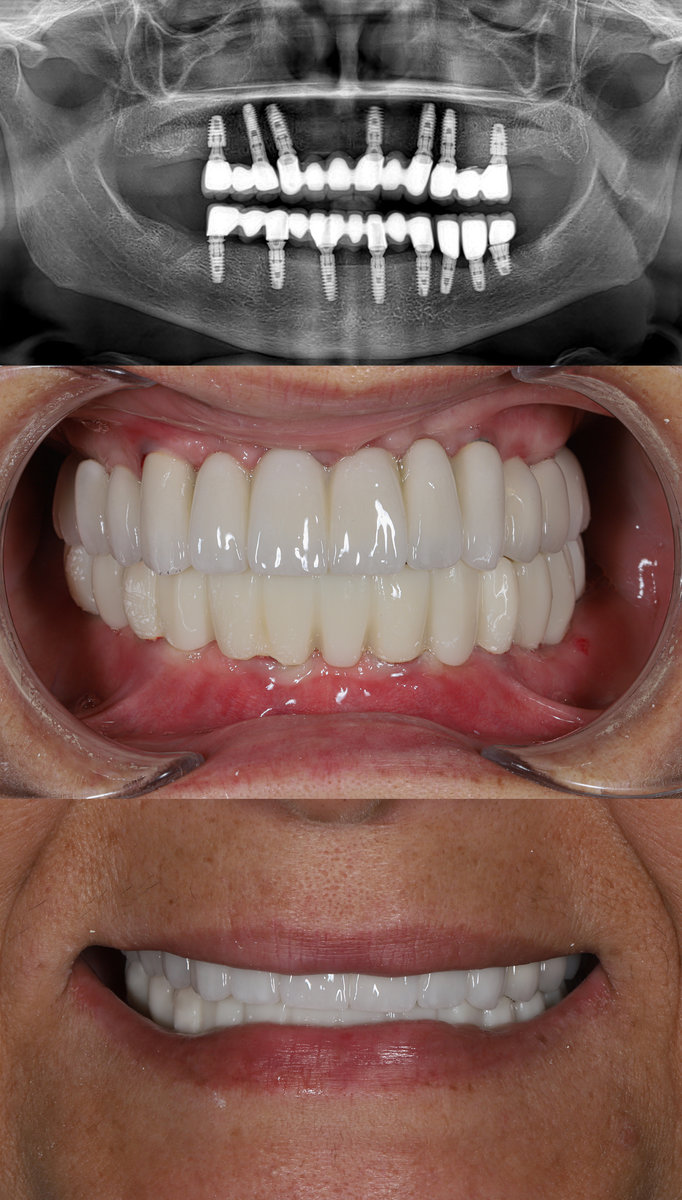

Cavities are one of the most common dental problems — but they’re also one of the easiest to treat when caught early. Our clinic uses modern tooth-colored composite fillings that blend naturally with your smile. These materials are durable, aesthetically pleasing, and mercury-free, making them a safer and more attractive choice compared to traditional metal options.
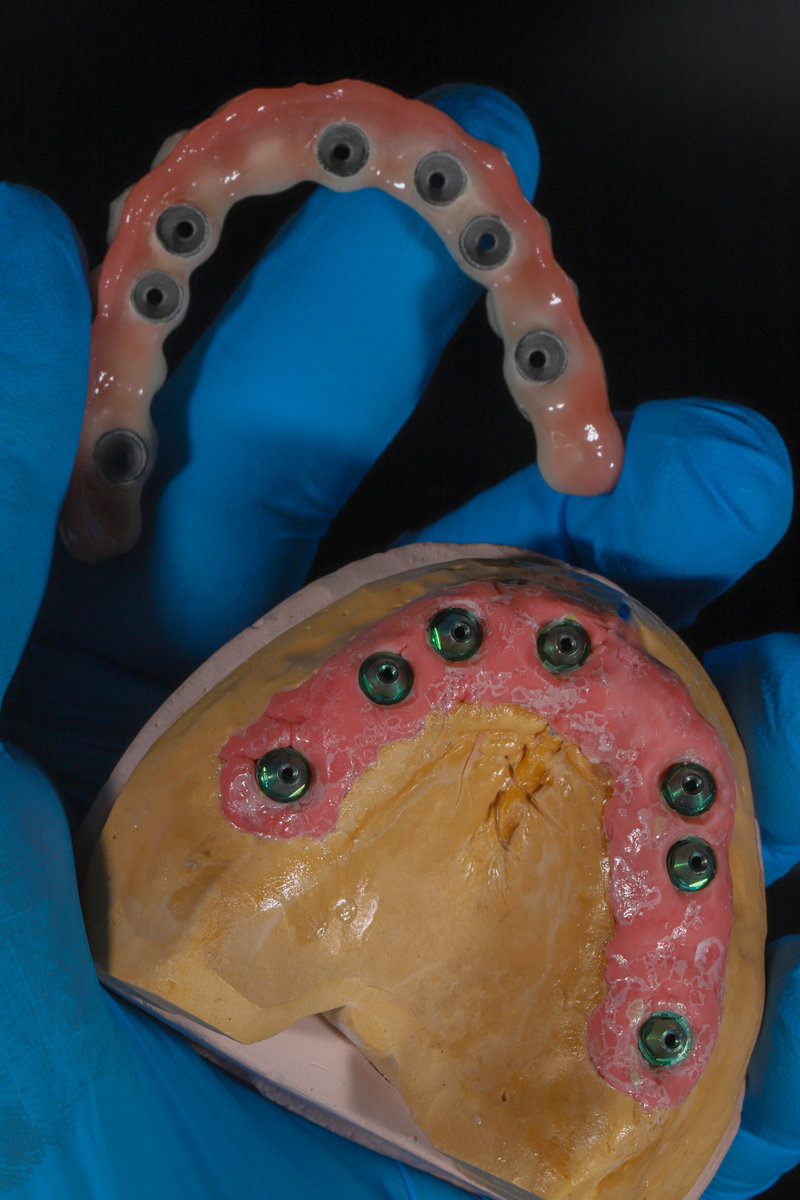
Bone grafting requires a level of clinical precision and patient communication that not every practice prioritizes. At Lifetime Smiles Bellevue, Dr. Beke’s background as a dentist with the 82nd Airborne Division gave him extensive experience in managing complex dental trauma and reconstructive cases in demanding conditions. That experience translates directly into the confident, meticulous approach he brings to every grafting procedure at our Bellevue practice. Patients also benefit from a team that takes time to explain the full scope of treatment before a single step is taken, including timelines, material options, and what success looks like at each stage. For patients who benefit from a calm, supportive environment, we also offer sedation dentistry to make the experience as comfortable as possible.
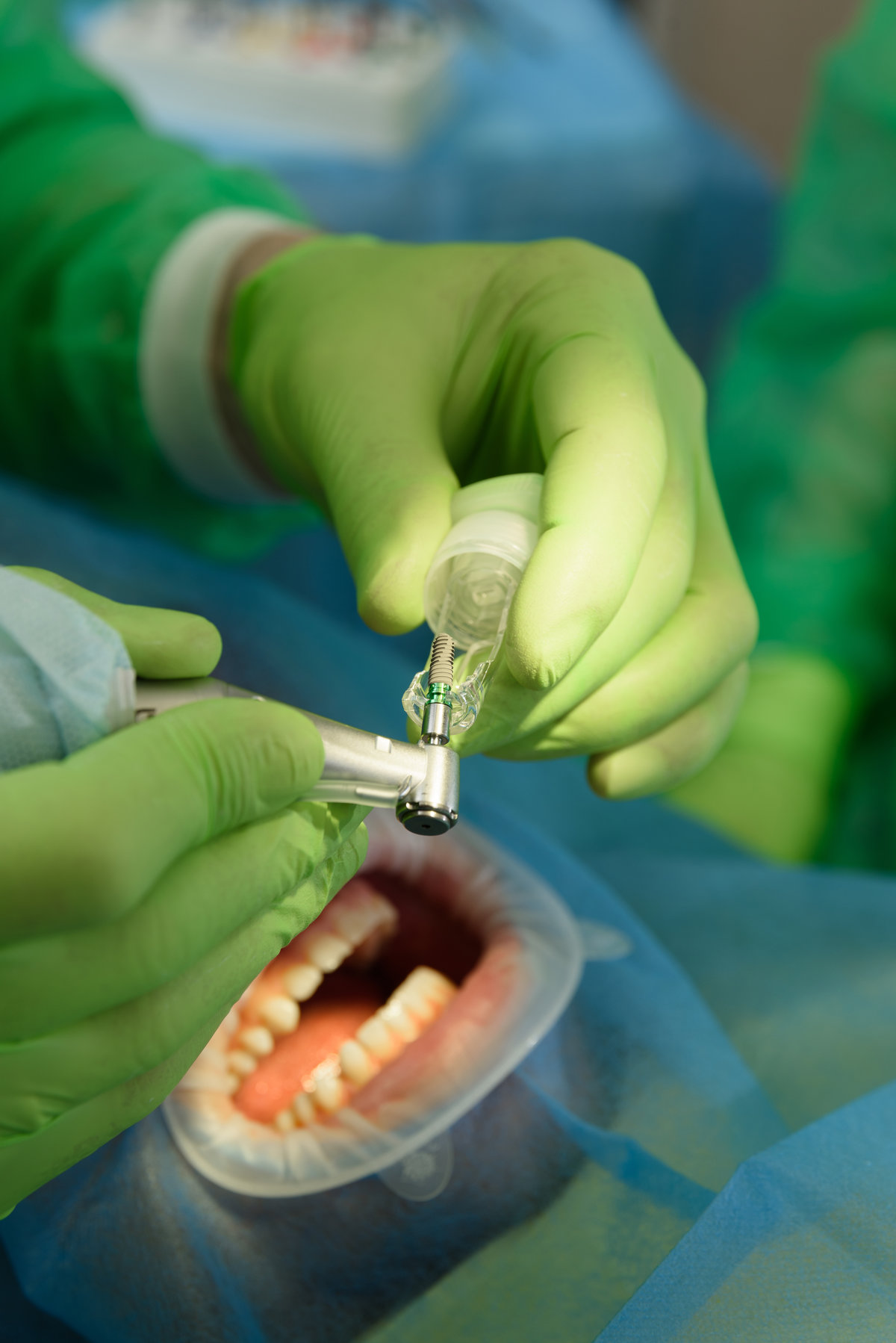
Restoring your smile starts with restoring your foundation, and that is exactly what bone grafting is designed to do. Whether you have been living with bone loss for years or recently had a tooth extracted, our team is ready to evaluate where you are and build a clear, honest path toward the implants you deserve. Dr. Michael Beke and the Lifetime Smiles Bellevue team combine decades of community trust with evidence-based care to give you results you can count on for a lifetime.
To learn more or to schedule your implant consultation, contact our office today and take the first step toward a stronger, healthier smile.
The procedure itself is performed under local anesthesia, so you should not feel pain during the graft placement. Most patients describe manageable soreness and mild swelling for a few days afterward, similar to a tooth extraction, and over-the-counter pain relief is usually sufficient.
Healing typically takes four to six months, depending on the size of the graft and your individual healing response. Dr. Beke monitors your progress and confirms the graft has fully integrated with your jawbone before moving forward with implant placement.
Many insurance plans, including Delta Dental PPO, Premera, and Regence, cover a portion of bone grafting when it is medically necessary to prepare for implant treatment. We also accept CareCredit financing with 0% APR promotional periods for qualified patients.
Without adequate bone volume, an implant may not integrate securely and can fail over time. Skipping a needed graft also allows continued bone loss, which can make future treatment more complex. Dr. Beke will only recommend grafting when it is necessary for a successful, lasting result.


Lifetime Smiles offers dental services including general dentistry, cosmetic dentistry, family dentistry, sedation dentistry and emergency dentistry. Contact our office in Bellevue, WA to schedule your appointment today!
Call to Schedule
Mon-Thur
Fri
Sat
Sunday
7:00 am – 3:30 pm
Closed
By Appointment
Closed