

Medically reviewed by Dr. Michael Beke, DMD, FAGD
You just walked out of the dentist’s office with a brighter, whiter smile, and the last thing you want is to undo those results before the day is over. The hours immediately following a teeth whitening treatment are the most critical window for protecting your investment, because your enamel is temporarily more porous and vulnerable to new stains. Knowing what to eat and what to avoid can mean the difference between a smile that stays brilliant for months and one that fades in days.
At Lifetime Smiles Bellevue, our highly skilled and passionate team guides every patient through the entire whitening process, including post-treatment care to help results last. Our professional teeth whitening is part of a broader commitment to cosmetic excellence that has served the community for over 35 years. We want your smile to stay as bright as the day you left our chair.
Why Does Diet Matter So Much After Teeth Whitening?
After a whitening treatment, bleaching agents temporarily alter the enamel structure, creating microscopic surface porosity. According to a 2024 systematic review and meta-analysis published in the National Institutes of Health’s PubMed Central, consuming foods high in coloring agents after whitening can further alter bleached enamel, making it significantly more susceptible to staining. Acidic foods compound this by eroding enamel and exposing underlying dentin, further increasing the risk of discoloration.
This is why dental professionals often recommend a “white diet” for the first 48 to 72 hours after treatment. It is not about permanent restriction; it is a short-term strategy to let your enamel stabilize and lock in your results.
How Long Should You Follow a White Diet?
The porosity that makes your teeth vulnerable does not last indefinitely, and the timeline generally breaks down into a few stages. During the first 24 to 48 hours, the most critical stretch, stick closely to light-colored, low-acid foods and skip anything that could stain a white shirt. From 48 to 72 hours, your enamel is stabilizing, so you can begin reintroducing a wider range of foods while continuing to limit dark beverages and acidic sauces. Beyond 72 hours, most patients can return to a normal diet, though rinsing with water after coffee, tea, or wine remains a good habit for keeping your results looking their best.
Every patient’s enamel responds a little differently, so if you notice ongoing sensitivity past this window, it is worth mentioning at your next visit.
What Foods Are Safe to Eat After Teeth Whitening?
The general rule is simple: if it could stain a white shirt, it will likely stain your freshly whitened teeth. Stick to foods that are light in color, low in acidity, and free of strong pigments. Safe, smile-friendly options during the first 48 to 72 hours include:
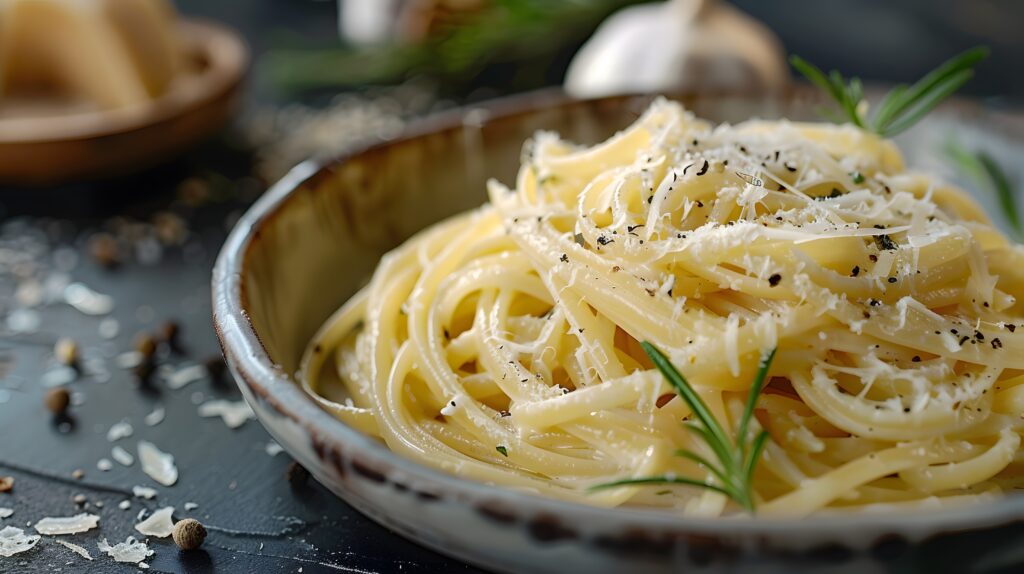
- White rice and plain pasta: Neutral in color and gentle on sensitive enamel, just skip the tomato sauce
- Chicken and turkey: Plain white meat with no heavy marinades or dark seasonings is an excellent protein choice
- Eggs: Egg whites in particular are a safe, protein-rich option that won’t threaten your results
- Cauliflower and potatoes: These light-colored vegetables are filling and completely enamel-friendly
- Bananas, pears, and peeled apples: Low-acidity fruits that won’t risk staining or sensitivity
- Plain yogurt and white cheeses: Dairy products are not only safe but beneficial, as calcium supports enamel strength
- Water: The best drink of all, as it keeps your mouth clean and helps rinse away anything that could linger on your teeth
After 48 to 72 hours, your enamel will have restabilized, and you can gradually return to your normal diet. That said, building mindful long-term habits around staining foods and beverages will go a long way toward keeping your results looking their best for months to come.
What Should You Avoid After Teeth Whitening?
Avoiding staining foods and beverages is just as important as choosing the right ones. For at least 48 hours after treatment, steer clear of coffee, tea, red wine, dark sodas, and fruit juices. Tomato-based sauces, soy sauce, and vinegar-heavy condiments should also be skipped, as should dark berries like blueberries, blackberries, and raspberries. Citrus fruits may seem harmless, but their acidity can irritate already-sensitive enamel and increase your vulnerability to staining.
Tobacco products deserve a special mention, as they stain teeth quickly and work against everything a white diet is meant to protect. If you smoke or vape, giving your teeth a break in the days right after treatment makes a noticeable difference in how long your results last.
Managing Sensitivity After Whitening
Mild, temporary sensitivity to hot and cold is common after a whitening treatment, since the same process that lifts stains can also leave the enamel more reactive for a short time. A few simple adjustments can make this window more comfortable:
Choose foods and beverages closer to room temperature rather than piping hot or ice cold. Avoid crunchy foods that put extra pressure on sensitive teeth, and set aside anything heavily acidic until sensitivity fades. Toothpaste formulated for sensitive teeth can also help during this period. Sensitivity typically eases within a day or two, and our team is always available if it lingers longer than expected.
How Your Whitening Method Can Affect Your Aftercare
Not every whitening treatment carries the exact same aftercare timeline. In-office whitening tends to produce faster, more noticeable results, which means the enamel is temporarily more porous immediately afterward and the first 24 to 48 hours call for extra care. Take-home trays lighten your smile more gradually over one to two weeks, so the vulnerable window resets to some degree each time you wear them. As part of our cosmetic dentistry services, our team provides personalized post-whitening instructions tailored to the specific treatment you received, so you always know exactly how long to be mindful of your diet.
Frequently Asked Questions About Eating After Teeth Whitening
Can I drink coffee or tea through a straw after whitening?
A straw can reduce direct contact between staining beverages and your front teeth, but it does not eliminate the risk entirely, since your teeth are still exposed to some pigment and acidity. During the first 48 hours, it is best to avoid coffee and tea altogether rather than rely on a straw alone.
What protein sources are safest right after whitening?
Plain chicken or turkey breast, egg whites, tofu, and white fish are all good choices, as long as they are prepared without dark sauces, marinades, or heavy seasoning. Cottage cheese and plain yogurt are also good protein-rich options that double as calcium sources for enamel strength.
Is it okay to eat spicy food after teeth whitening?
Spicy foods themselves are not usually a staining concern, but many spicy dishes contain dark sauces, curries, or heavily pigmented spices that can affect your results. Sensitivity is also a factor, since spicy foods can irritate enamel that is still adjusting. It is generally best to wait until the initial sensitivity has faded.
What happens if I accidentally eat a staining food too soon?
One slip is unlikely to undo your results entirely. Rinse your mouth with water as soon as possible and brush gently once enough time has passed since eating. If you are concerned about how a food or drink may have affected your smile, our team can take a look at your next visit.
How can I make my whitening results last longer overall?
Beyond the first few days, consistent oral hygiene and mindful habits make the biggest difference. Brushing twice daily, rinsing after dark beverages, and scheduling regular cleanings all help maintain your brighter smile. Many patients also use touch-up treatments periodically to refresh their results over time.
Schedule Your Teeth Whitening Consultation at Lifetime Smiles Bellevue
A brighter smile is well within reach when you pair professional whitening with the right post-treatment care. Following a white diet for the first 48 to 72 hours, avoiding dark-pigmented and acidic foods, and maintaining strong oral hygiene habits are the keys to long-lasting results. With the right guidance, protecting your investment in your smile is straightforward.
At Lifetime Smiles Bellevue, Dr. Michael Beke, DMD, and our team bring over 35 years of trusted care to the Bellevue community, backed by his Academy of General Dentistry Fellowship and a patient-centered approach. We accept Delta Dental PPO, Premera, and Regence, and offer flexible financing through CareCredit and our in-house membership plan. Ready to take the next step toward your brightest smile? Reach out to us to book your consultation today.