

Bellevue's trusted restorative dentist for over 35 years.
Dr. Michael Beke, DMD, is an Academy of General Dentistry Fellow with nearly 20 years of restorative experience.
Fill the gap left by missing teeth with a natural-looking, fixed restoration.
★★★★★ 5.0 (179+ Google Reviews)A gap in your smile does more than change the way you look. When even one tooth is missing, the surrounding teeth begin to shift, the jawbone beneath starts to weaken, and everyday tasks like chewing or speaking can become unexpectedly difficult. Dental bridges are a time-tested, reliable solution that restores both the function and appearance of your smile by filling that gap with a natural-looking prosthetic tooth anchored to your existing teeth.
At Lifetime Smiles Bellevue, we understand how much a complete smile matters to your confidence and your health. Dr. Michael Beke and our team have been serving the Bellevue community for over 35 years, and for the past decade, Dr. Beke has led the practice with a commitment to evidence-based care and lasting patient relationships. When you come to us for a dental bridge, you can expect thoughtful, personalized treatment rooted in current research and built on trust. Our restorative dentistry approach focuses on quality over quantity, taking the time to explain every option so you can make confident decisions about your care.
A dental bridge is a fixed prosthetic restoration that literally “bridges” the space left by one or more missing teeth. The restoration is typically composed of one or more artificial teeth, called pontics, that are held in place by dental crowns cemented onto the healthy teeth on either side of the gap. These anchor teeth are known as abutment teeth. Once placed, a bridge is permanent and non-removable, functioning just like your natural teeth.There are several types of dental bridges, and the best option for you depends on the location of the missing tooth, the condition of the surrounding teeth, and your overall oral health goals.

There is more than one way to restore a missing tooth with a bridge, and each type serves a different purpose. The most common options include:
Each of these approaches has its own advantages, and the decision is made collaboratively based on what will serve your long-term oral health best.
Tooth loss is more common than most people realize. According to the Centers for Disease Control and Prevention, a significant percentage of adults experience complete tooth loss, and partial tooth loss is even more widespread. Beyond the cosmetic concern, an untreated gap in your smile creates a cascade of health consequences that can compound over time.
When a tooth is lost, the jawbone in that area no longer receives the stimulation it needs from chewing, which leads to bone resorption over time. Adjacent teeth gradually drift into the open space, disrupting your bite and potentially causing misalignment. You may also notice changes in your speech, difficulty chewing certain foods, and increased wear on your remaining teeth.
Addressing tooth loss promptly with a dental bridge helps preserve your oral structure and prevents these complications from developing.
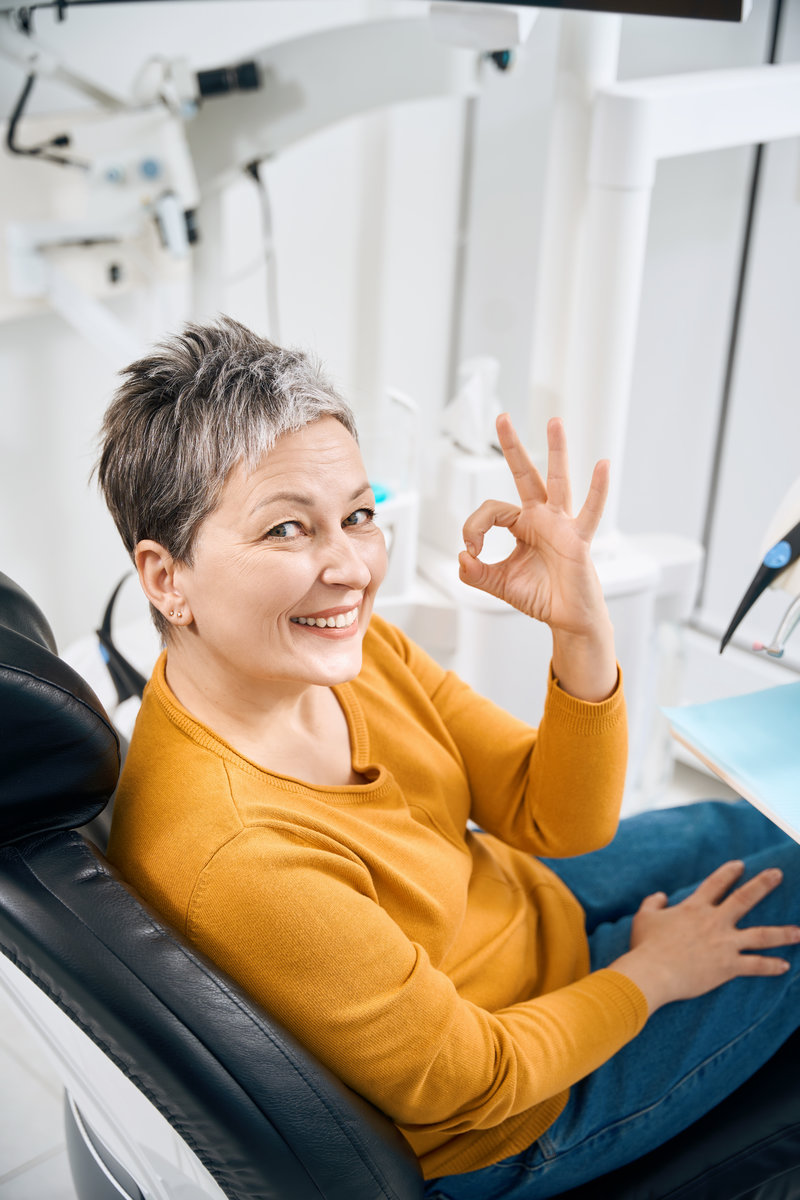

Cavities are one of the most common dental problems — but they’re also one of the easiest to treat when caught early. Our clinic uses modern tooth-colored composite fillings that blend naturally with your smile. These materials are durable, aesthetically pleasing, and mercury-free, making them a safer and more attractive choice compared to traditional metal options.
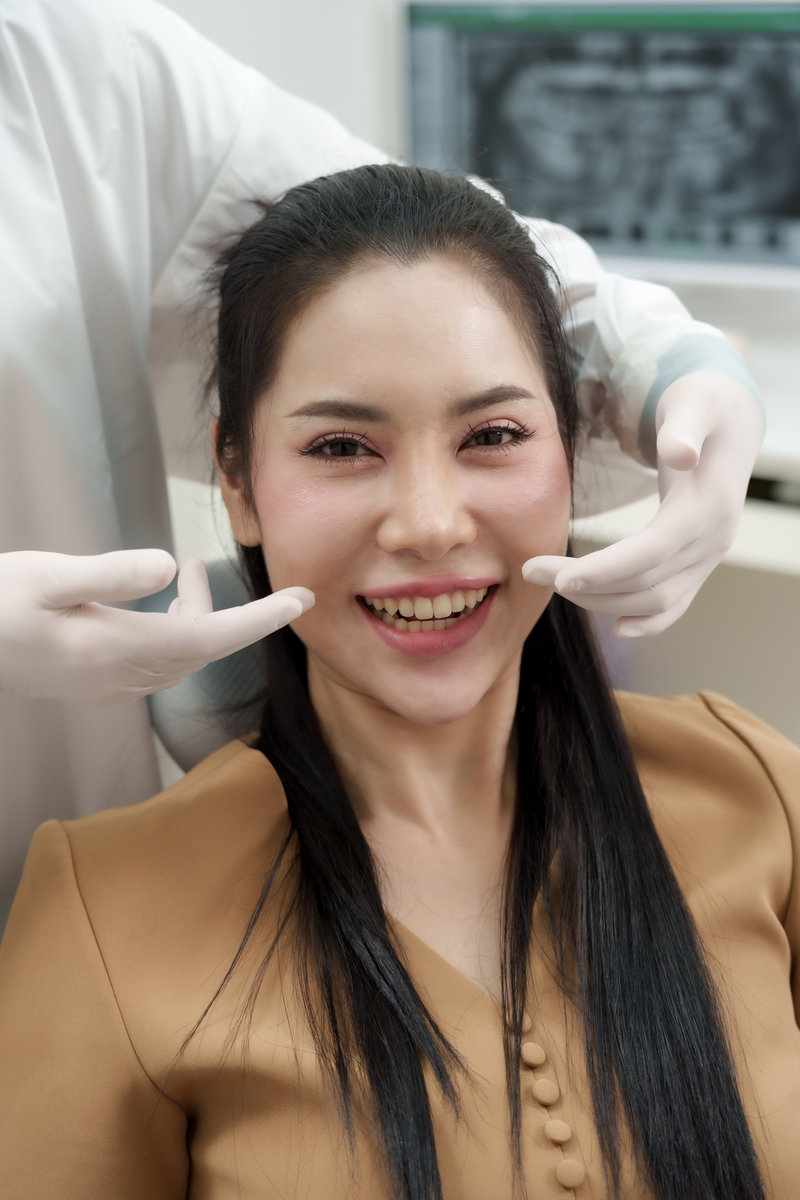
Getting a dental bridge at Lifetime Smiles Bellevue is a straightforward process that typically requires two appointments. During your first visit, the abutment teeth are gently prepared by reshaping them to accommodate the crowns. Impressions are then taken and sent to a dental lab, where your custom bridge is fabricated to match the shape and shade of your natural teeth. A temporary bridge is placed to protect the area in the meantime.
At your second appointment, the temporary bridge is removed, and your permanent restoration is carefully fitted and cemented into place. Dr. Beke takes great care to ensure your bite feels natural and comfortable before you leave. Thanks to our use of dental imaging technology, the process is precise and efficient, minimizing discomfort and maximizing results. For patients who want to explore all of their tooth replacement options, our blog on replacing missing teeth in Bellevue provides a helpful overview of what is available.
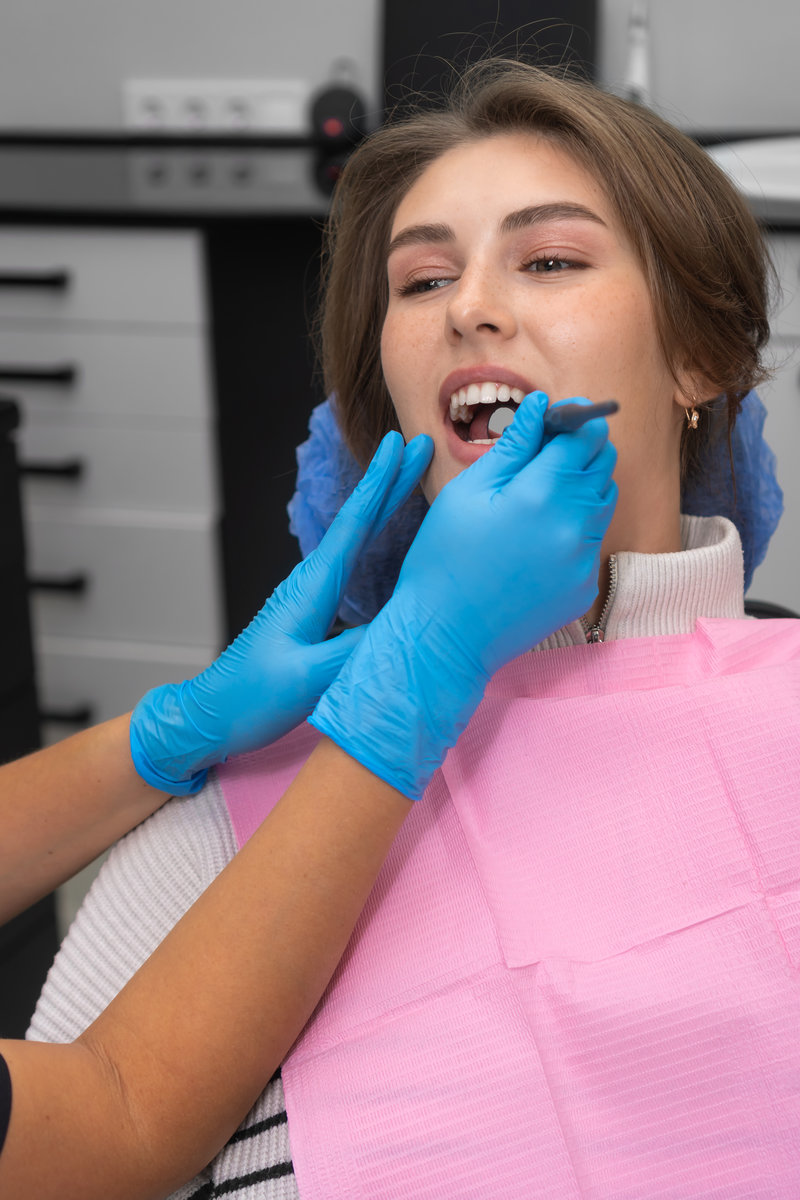
Once your bridge is in place, maintaining it is straightforward and largely mirrors your existing oral hygiene routine. Brushing twice a day and flossing daily are essential, though flossing under the bridge requires a floss threader or interdental brush to clean below the pontic. Rinsing with an antibacterial mouthwash also helps protect the gum tissue around the restoration.
Routine dental exams and cleanings are particularly important with a dental bridge in place. Our general dentistry team monitors the health of your abutment teeth, the integrity of the restoration, and the surrounding gum tissue at every visit. With proper care, a well-crafted dental bridge can last many years, making it a highly valuable investment in your long-term oral health.

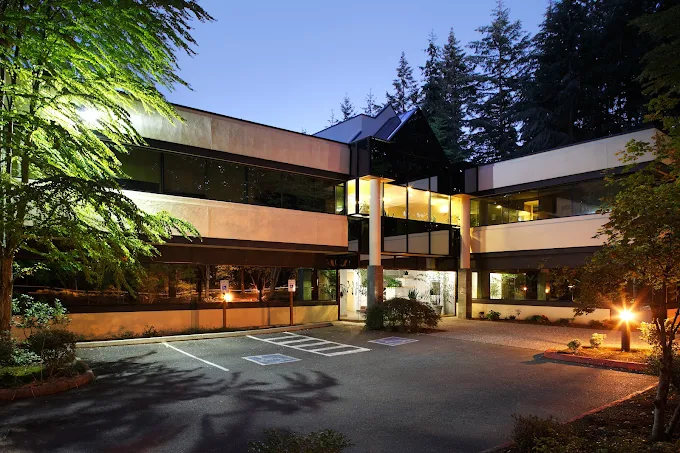
Lifetime Smiles offers dental services including general dentistry, cosmetic dentistry, family dentistry, sedation dentistry and emergency dentistry. Contact our office in Bellevue, WA to schedule your appointment today!
Call to Schedule
Mon-Thur
Fri
Sat
Sunday
7:00 am – 3:30 pm
Closed
By Appointment
Closed