

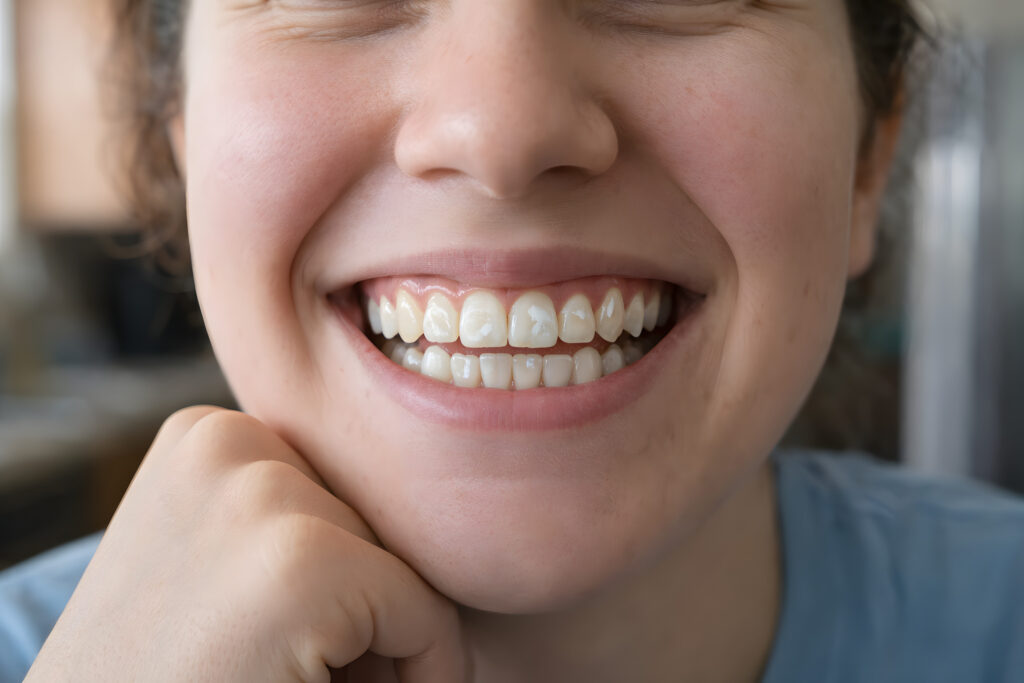
That chalky white patch on your front tooth wasn’t there a few months ago, and now it seems to catch the light every time you smile in a photo. White spots on teeth can appear at almost any age, and while they aren’t always a sign of decay, they do signal that something has changed beneath the enamel’s surface. Understanding why those spots form is the first step toward treating them, and the good news is that most white spots respond well to conservative dental care when caught early.
At Lifetime Smiles, we’ve helped Bellevue patients diagnose and address white spots for decades, and our approach starts with a careful exam to identify the underlying cause before recommending a treatment plan. If you’d like to skip ahead to the specifics of the procedures we offer, our page on white spot removal walks through the options in more detail. Dr. Michael Beke and our team focus on preserving as much natural tooth structure as possible while delivering results that look seamless up close.
What Are White Spots on Teeth?
White spots are small areas of the enamel that appear lighter or chalkier than the surrounding tooth surface, and they typically show up on the front teeth where they’re most visible. In dental terms, these patches are usually called white spot lesions, and they form when minerals inside the enamel become disrupted or partially lost. Because enamel is translucent when it’s healthy, any change to its mineral structure changes how it reflects light, which is why the affected areas look bright white against the rest of the tooth.
Some white spots have been present since childhood, while others form during adulthood after braces, illness, or a period of poor oral hygiene. A 2024 review published through the National Library of Medicine describes white spot lesions as demineralized areas that alter the refractive index of enamel, giving them their characteristic chalky appearance. Knowing when a spot developed and what caused it helps us choose the best path forward, because different origins respond to different treatments.
What Causes White Spots to Form?
Several factors can lead to white spots, and it’s common for more than one cause to be at play. Identifying the right cause matters because it shapes both the treatment plan and the prevention strategy afterward.
The most common causes we see at our practice include:
- Enamel Demineralization: Acid from plaque and sugary foods pulls minerals out of the enamel, especially along the gumline and around orthodontic brackets
- Fluorosis: Ingesting too much fluoride during early childhood, when adult teeth are still forming, can create diffuse white streaks or patches
- Enamel Hypoplasia: A developmental condition where enamel forms thinner than normal, often linked to illness, nutritional gaps, or trauma during tooth formation
- Post-Orthodontic Changes: Braces make brushing harder, and plaque that lingers around brackets can leave visible spots once the appliances come off
- Dietary and Hygiene Patterns: Frequent snacking, acidic drinks, and inconsistent brushing all raise the risk of demineralization over time
Once we pinpoint the cause during your exam, we can talk through prevention alongside treatment so the spots don’t return after they’re addressed. In some cases, adjusting your home care routine or adding fluoride support is enough to arrest an active lesion before it progresses.
How We Treat White Spots
Treatment depends on the depth of the lesion, its cause, and how noticeable it is when you speak or smile. Our goal is to select the least invasive option that still delivers a clean, uniform result, which often means starting with remineralization or professional whitening before moving to more restorative techniques.
For deeper or more stubborn spots, we may recommend resin infiltration, composite bonding, or porcelain veneers as part of a broader cosmetic dentistry plan. Composite bonding lets us blend a tooth-colored resin directly into the affected area, while porcelain veneers cover the entire front surface of the tooth when the discoloration is widespread. Professional teeth whitening can also help balance surrounding teeth so the treated area looks harmonious. Dr. Beke draws on his Academy of General Dentistry Fellowship and years of hands-on experience in Bellevue to match each case to the right technique, giving careful attention to color, translucency, and long-term durability.
Contact Lifetime Smiles for White Spot Removal in Bellevue
White spots don’t have to be a permanent part of your smile, and treating them early usually means less time in the chair and more of your natural enamel preserved. Our team has served the Bellevue community for over 35 years, and Dr. Beke’s background caring for soldiers with the 82nd Airborne Division brought a level of precision and calm to every case we take on. We accept Delta Dental PPO, Premera, and Regence, and we offer CareCredit and an in-house membership plan to keep cosmetic care within reach.
If you’ve noticed a white spot that wasn’t there before, or one that’s always bothered you in photos, we’d love to take a closer look and walk you through your options. Schedule a consultation any time through our online contact form, and we’ll help you take the next step toward a smile that looks even, healthy, and unmistakably yours.