

Medically reviewed by Dr. Michael Beke, DMD, FAGD
Composite bonding and porcelain veneers can both transform a smile marked by chips, gaps, discoloration, or uneven edges, but they take very different paths to get there. Bonding reshapes your existing tooth structure with tooth-colored resin, while porcelain veneers replace the front surface of the tooth with a custom ceramic shell. Understanding how each option works, and how long it can be expected to hold up, helps you avoid spending more time and money than necessary on a fix that is not the right fit.
At Lifetime Smiles in Bellevue, our cosmetic dentistry services are built around one guiding principle: quality over quantity. Dr. Michael Beke has spent over a decade building a practice rooted in evidence-based care and lasting patient relationships, and that same philosophy extends to every cosmetic consultation. Whether you’re dealing with a minor imperfection or planning a complete smile refresh, our team takes the time to walk you through your options so you feel confident about your decision.
What Is Composite Bonding?
Composite bonding is a cosmetic procedure that uses a tooth-colored resin applied directly to the surface of your teeth. The resin is sculpted, shaped, and hardened with a curing light, then polished to blend with your natural enamel. It’s one of the most versatile cosmetic treatments available, capable of addressing chips, cracks, minor gaps, discoloration, and slightly uneven teeth in a single visit.
The Benefits of Composite Bonding
One of the biggest advantages of composite bonding is its simplicity. The procedure is typically completed in a single appointment, requires little to no removal of tooth enamel, and tends to be the more budget-friendly option of the two. It’s also considered reversible in most cases, making it a lower-commitment entry point for patients who want to test the waters of cosmetic dentistry.
That said, composite resin is more porous than porcelain and can stain over time, particularly with regular consumption of coffee, tea, or red wine. On average, bonding lasts between five and seven years before it may need touching up or replacement, and patients who grind their teeth may see more frequent chipping or wear.
Who Is a Good Candidate for Composite Bonding?
Bonding tends to work best for patients addressing one or two teeth rather than a full smile makeover. It’s a strong option if you have a small chip, a minor gap, or slight discoloration and want a same-day result without any enamel reduction. Because bonding does not involve a lab-fabricated shell, it can also be adjusted or repaired chairside if it ever needs a touch-up.
What Are Porcelain Veneers?
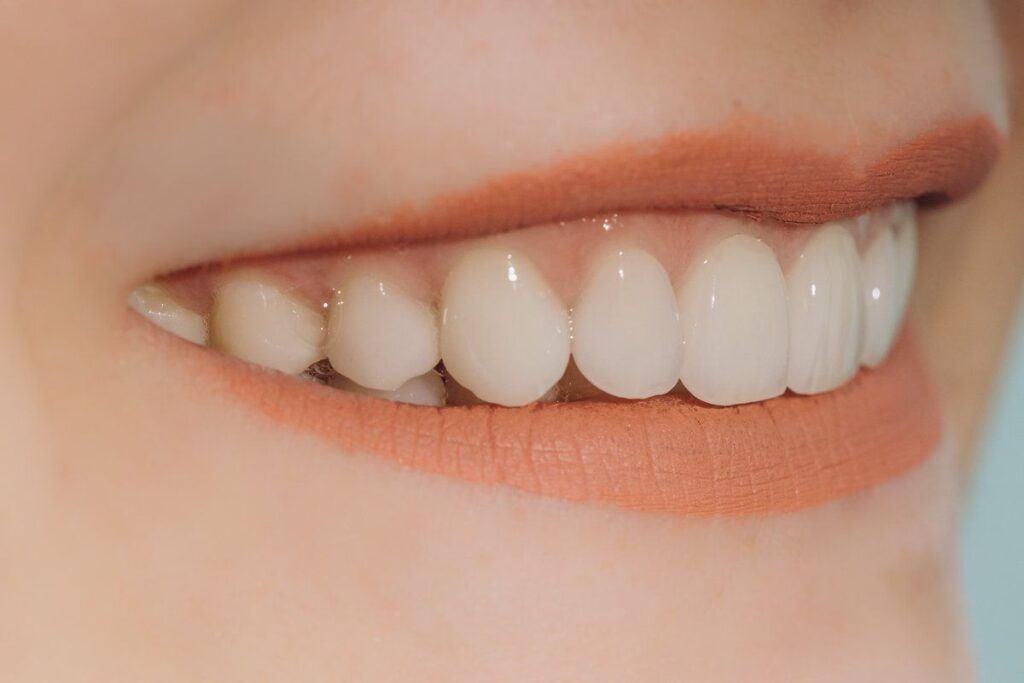
Porcelain veneers are ultra-thin shells of dental ceramic custom-crafted in a lab and bonded to the front surface of your teeth. They’re designed to mimic the light-reflecting properties of natural enamel, which gives them a lifelike and luminous appearance. Veneers are the go-to choice for patients who want dramatic, long-lasting results across several teeth at once.
The Benefits of Porcelain Veneers
Since porcelain is non-porous, veneers are highly resistant to staining and maintain their polished appearance for significantly longer than composite bonding, making them a good option for those who enjoy heavily pigmented foods and beverages. A 2024 literature review published in the Journal of Functional Biomaterials found that dental veneers generally maintain a survival rate above ninety percent beyond the ten-year mark, with fracture as the most common reason a veneer eventually needs replacement.
The trade-off is that placing veneers requires a small amount of enamel reduction, which means the procedure is considered permanent. The process also typically involves two to three appointments and a higher upfront cost than bonding.
Caring for Bonding and Veneers After Treatment
Both treatments benefit from the same daily habits: brushing twice a day, flossing, and keeping up with regular dental visits. Composite bonding is more prone to staining, so patients who bond their teeth should be mindful of dark beverages and consider a straw for coffee, tea, or wine. Porcelain veneers resist staining well, but they can still chip under heavy biting force, so a nightguard is worth discussing with your dentist if you grind or clench your teeth.
How to Choose Between the Two
The right option depends on several factors unique to your smile and your goals. Here are the key things you’ll need to consider:
- Budget: Composite bonding is more affordable upfront, while veneers offer a stronger return on investment over time due to their longevity.
- Extent of correction needed: Those with minor chips or small gaps are often ideal candidates for bonding. If you’re addressing multiple teeth or significant discoloration, veneers tend to deliver more consistent and dramatic results.
- Timeline: Bonding can be done in one visit, while veneers require a short series of appointments.
- Commitment level: Bonding is reversible in most cases, though veneers are permanent due to enamel preparation.
Both treatments can be incorporated into a broader smile makeover plan, and some patients opt for a combination of each to achieve the most natural-looking outcome across different areas of the mouth. Patients who also want a brighter baseline shade before either procedure sometimes start with professional teeth whitening, since neither bonding resin nor porcelain responds to whitening treatments once placed.
Composite Bonding vs. Composite Veneers: What’s the Difference?
Composite bonding is sometimes confused with composite veneers because both use the same tooth-colored resin. Bonding is typically applied freehand to reshape one or two teeth chairside, while composite veneers are more uniform, pre-shaped coverings often placed across several teeth for a fuller smile transformation. If you’re specifically weighing composite veneers against porcelain veneers rather than comparing bonding to veneers, our guide on whether composite veneers are a good alternative to porcelain veneers breaks down that comparison in more detail.
Find Your Best Option at Lifetime Smiles Bellevue
There’s no universal answer to the composite bonding vs. veneers debate because the best choice is the one tailored to your teeth, lifestyle, and goals. That’s precisely why a thorough consultation with an experienced provider makes a real difference. Dr. Michael Beke holds a Fellowship with the Academy of General Dentistry and brings both advanced clinical training and a genuine commitment to patient education to every appointment.
Lifetime Smiles has been a trusted part of the Bellevue community for over 35 years, and that reputation was built one honest conversation at a time. If you’re ready to explore your cosmetic options with a team that prioritizes your long-term results over a quick fix, contact our office to schedule your consultation today.
Frequently Asked Questions About Composite Bonding and Porcelain Veneers
How long does composite bonding last compared to porcelain veneers?
Composite bonding generally lasts five to seven years before it may need touch-ups or replacement. Porcelain veneers hold up considerably longer, with published clinical research showing a survival rate above ninety percent beyond the ten-year mark, largely because porcelain is far less porous than composite resin.
Does getting composite bonding hurt?
Composite bonding is usually a comfortable, minimally invasive procedure. Because it requires little to no removal of tooth enamel, most patients do not need local anesthesia, and the resin is shaped and cured directly on the tooth in a single visit.
Can composite bonding be whitened once it is placed?
No. Composite resin does not respond to whitening treatments the way natural enamel does, so any whitening should be completed beforehand to match your desired final shade. Ask your dentist about teeth whitening as a first step if brightness is one of your goals.
Is composite bonding a permanent treatment?
Composite bonding is considered reversible in most cases since it typically does not require significant enamel removal. Porcelain veneers, by contrast, involve a small amount of permanent enamel reduction, which makes veneers a longer-term commitment.
What is the difference between composite bonding and composite veneers?
Composite bonding is usually applied freehand to reshape one or two teeth, while composite veneers are more uniform, pre-shaped coverings often placed across several teeth for a broader smile transformation. Both use the same resin material but are suited to different goals.