

Two patients walk into a dental office with the same goal: a brighter, more even smile. One leaves with porcelain veneers; the other, with composite bonding. Both are thrilled with their results, yet the treatments they received couldn’t be more different. When it comes to cosmetic smile enhancements, understanding what separates these two procedures can help you make the right choice for your unique needs, your timeline, and your budget.
At Lifetime Smiles Bellevue, we guide patients through exactly these kinds of decisions every day. As part of our cosmetic dentistry offerings, both porcelain veneers and composite bonding are available, and Dr. Michael Beke takes the time to explain each option thoroughly so you can move forward with confidence. With over 35 years of history serving the Bellevue community and a decade of leadership under Dr. Beke’s evidence-based approach, our practice is built on the belief that informed patients make better long-term decisions for their smiles.
What Are Porcelain Veneers?
Porcelain veneers are thin, custom-crafted shells of dental ceramic that are permanently bonded to the front surfaces of your teeth. They are fabricated in a dental laboratory to precise specifications, which means the process typically involves two visits: one to prepare the teeth and take impressions, and a second to bond the finished veneers in place.
What Veneers Are Designed to Address
Porcelain veneers are an excellent solution for patients dealing with a variety of cosmetic concerns. Here are some of the most common issues they treat:
- Severe or deep discoloration: Staining that does not respond to whitening treatments
- Chips or cracks: Structural irregularities visible on the front-facing surface
- Minor misalignment: Teeth that appear slightly crowded or uneven
- Gaps between teeth: Spaces that affect the overall symmetry of the smile
- Worn enamel: Teeth that have become shorter or flattened over time
Because veneers are made from ceramic, they resist staining exceptionally well and can last well over a decade with proper care. According to research published in the National Institutes of Health’s PubMed Central, porcelain veneers show excellent aesthetic results and predictable longevity, making them one of the most reliable cosmetic restoration options available. The tradeoff is that a small amount of enamel must be removed during preparation, which makes the procedure irreversible.
What Is Composite Bonding?
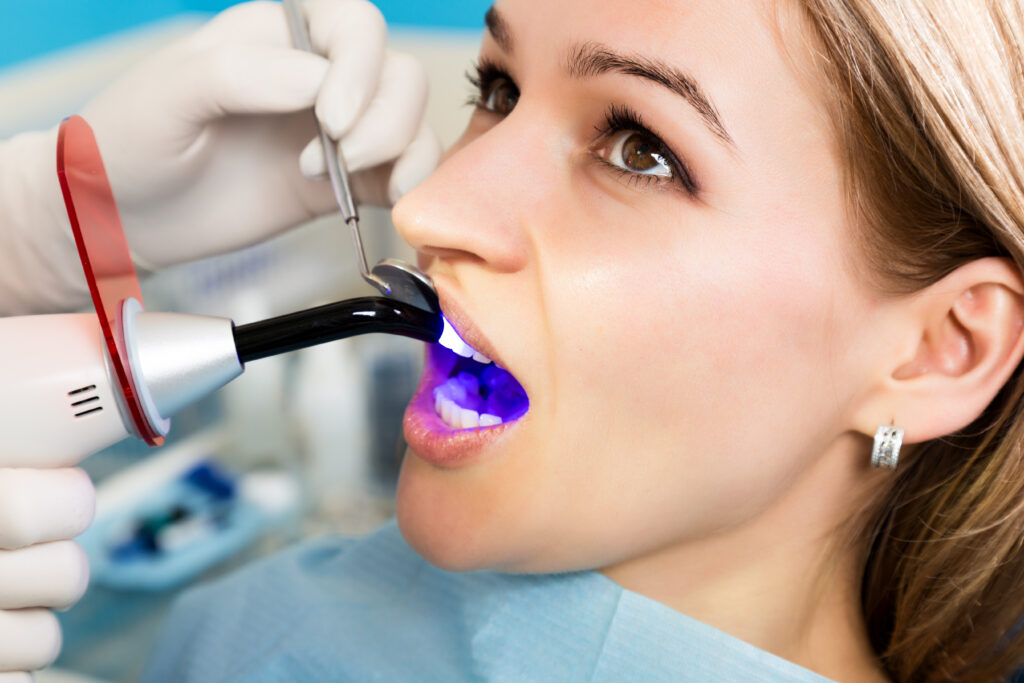
Composite bonding involves applying a tooth-colored resin material directly to the surface of a tooth, shaping it by hand, and hardening it with a curing light. Unlike veneers, bonding is completed in a single visit and requires little to no removal of natural tooth structure.
When Bonding Is the Right Fit
Bonding works particularly well for patients who want meaningful cosmetic improvements without committing to a more involved procedure. It is a strong choice for repairing small chips, closing minor gaps, reshaping uneven teeth, or addressing isolated areas of discoloration. Because the composite resin is sculpted chairside, Dr. Beke has precise control over the final shape and shade, allowing for natural-looking results that blend seamlessly with surrounding teeth.
The key distinction is reversibility. Since bonding does not require enamel removal, it is a fully reversible treatment. However, composite resin is more susceptible to staining over time compared to porcelain, and bonding typically has a shorter lifespan, generally in the range of five to ten years before touch-ups or replacement may be needed.
How to Choose Between the Two
The decision between veneers and bonding comes down to several factors: the extent of the cosmetic concern, how much you want to invest, and how you weigh longevity against minimally invasive treatment. Bonding is often the preferred starting point for younger patients or those with isolated, minor concerns. Veneers tend to be the better long-term investment for patients seeking a more dramatic or comprehensive transformation.
It is also worth noting that neither treatment stands alone in the full picture of smile enhancement. Pairing either option with professional teeth whitening before bonding, or incorporating veneers into a broader smile makeover, can produce results that go well beyond what either procedure achieves on its own. During your consultation, we will map out a full picture of your options so you know exactly what to expect.
Choose Lifetime Smiles Bellevue for Your Cosmetic Dentistry
At Lifetime Smiles Bellevue, we do not believe in one-size-fits-all smile solutions. Dr. Beke’s training, including his Academy of General Dentistry Fellowship and years of advanced study club participation, means every cosmetic recommendation is grounded in current clinical evidence and tailored to your individual goals. We take the time to walk through the pros, cons, and realistic outcomes of every treatment before a single step is taken.
Whether veneers or bonding is the right path for you, our team is ready to help you find out. We welcome patients from Bellevue and the surrounding Eastside Seattle communities to contact our office and schedule a cosmetic consultation today.